Brake Noise: Grinding, Squealing, and When Rotors Need Replacing
By Mike, Fastbay Automotive ·
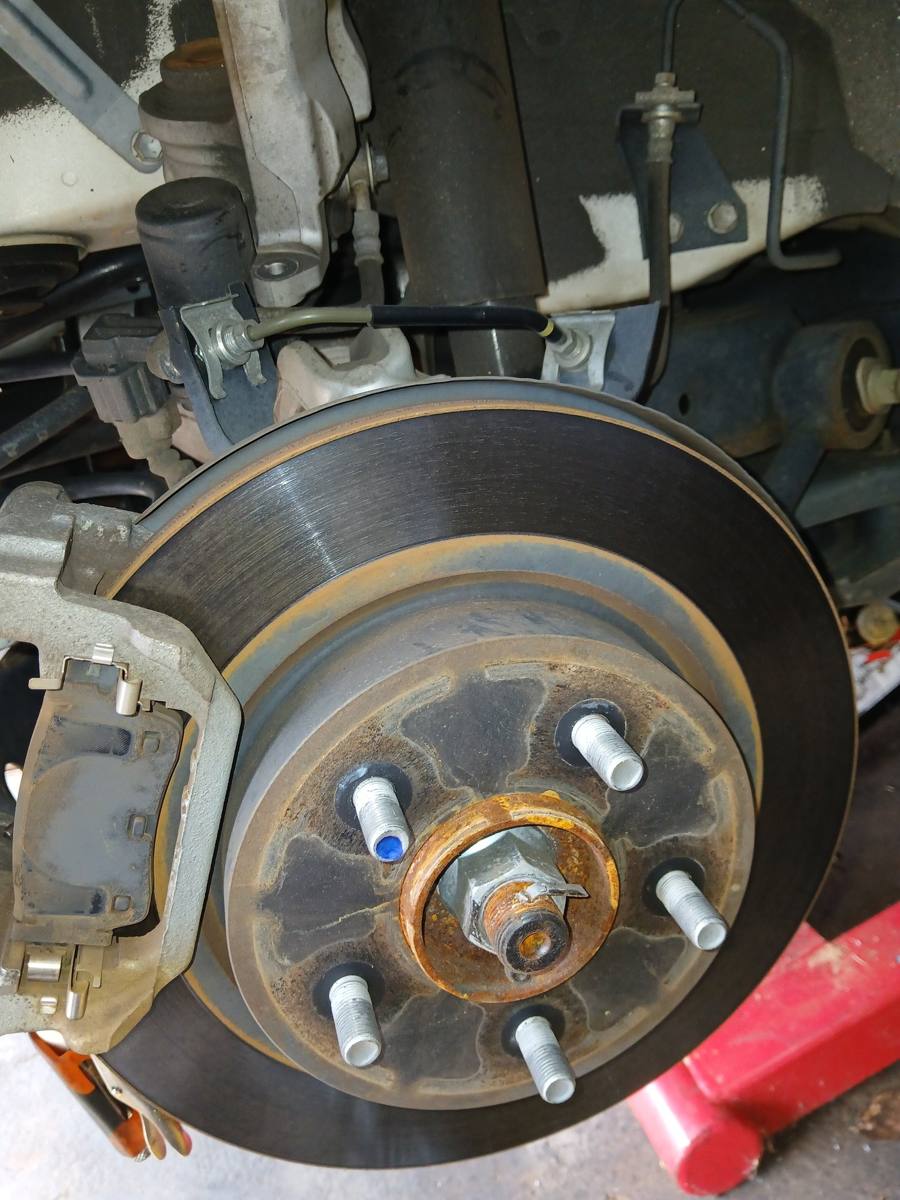
Brake noise is one of the most common reasons folks around Pendleton, Clemson and Anderson call the shop. Some noises are harmless. Some mean the brakes need attention soon. Here is how I explain the difference to customers every week.
Squealing: usually an early warning
A high-pitched squeal when you first press the pedal is often the wear indicator, a small metal tab built into many brake pads. When the pad gets thin, that tab touches the rotor and squeals on purpose so you know it is time for an inspection. Squealing can also come from dust, rust after a rainy night, or glazed pads. If it goes away after a few stops in the morning, it may just be surface rust. If it squeals every time you brake, have it looked at.
Grinding: don't wait on this one
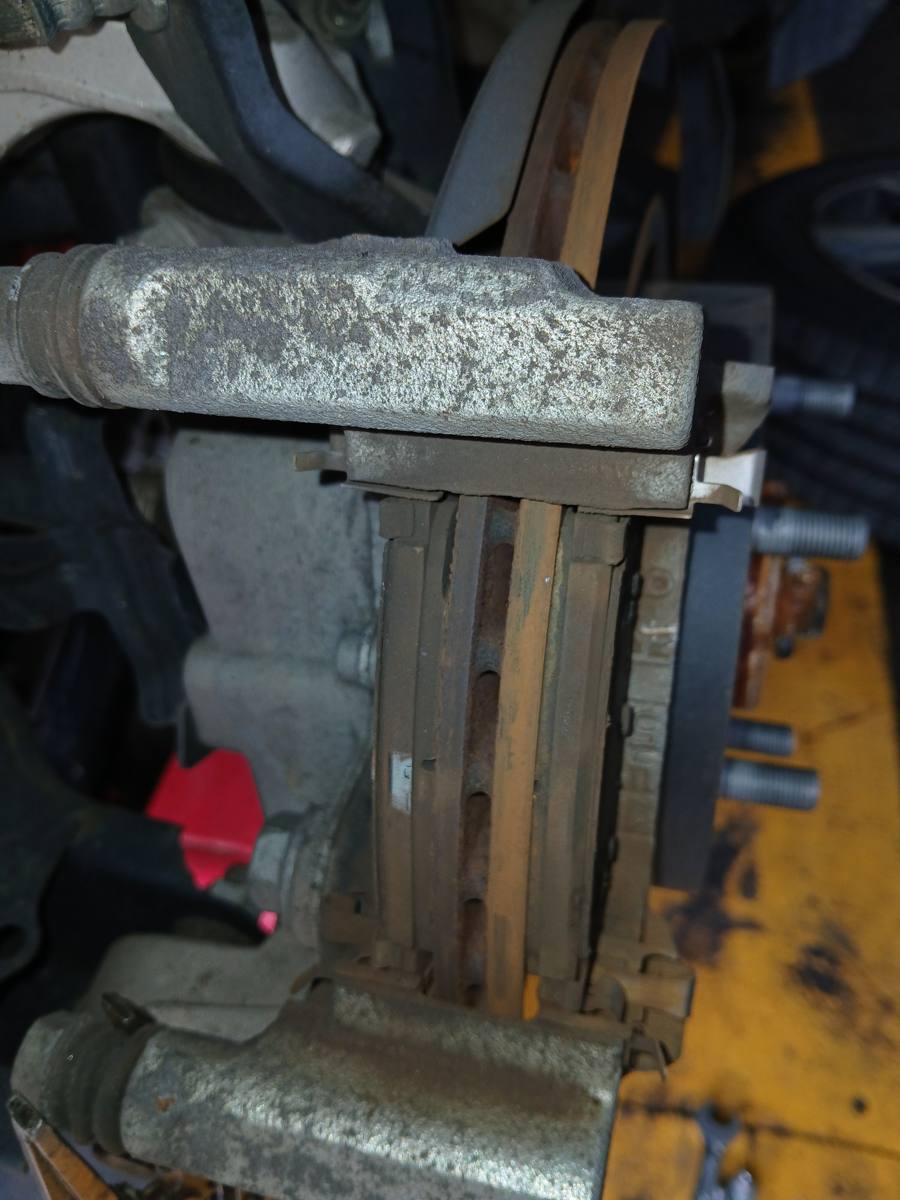
Grinding is a deeper, rougher sound, and you may feel it in the pedal. Most of the time it means the pad material is gone and metal is rubbing on metal. That cuts grooves into the rotor fast. A brake job that could have been pads only can turn into pads and rotors, and sometimes a caliper, if it is left too long. Grinding also means the car takes longer to stop, so it is a safety issue, not just a noise.
When do rotors need replacing?
Rotors are the metal discs the pads squeeze. They wear thinner over time, and every rotor has a minimum thickness. When we do a brake inspection we measure them. Rotors usually need replacing when:
- They are worn below the minimum thickness
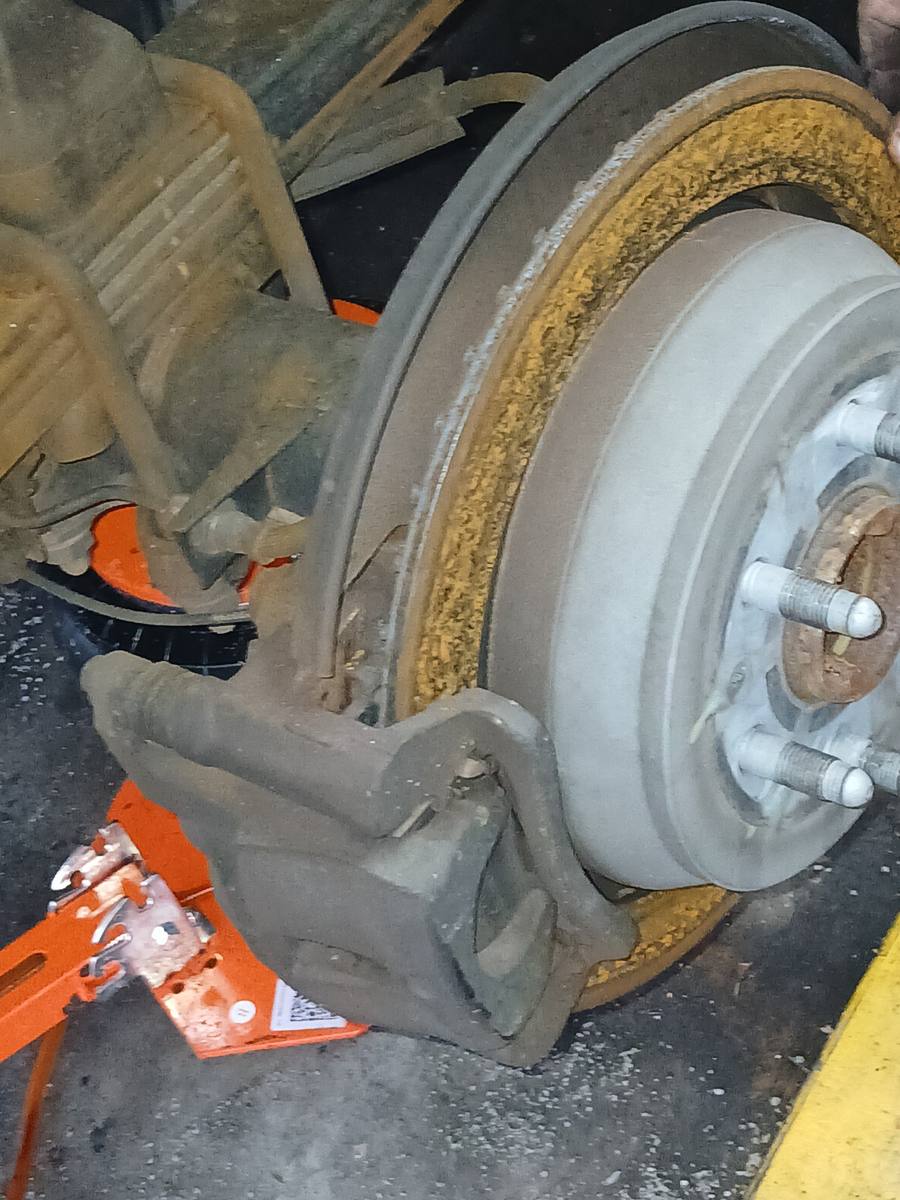
- They have deep grooves or scoring from worn-out pads
- They are warped or uneven, which you feel as a shake in the steering wheel or pedal when braking
- They have heavy rust or heat spots (blue or dark patches)
Other signs to watch for
- The car pulls to one side when you stop
- The pedal feels soft, spongy or sinks lower than normal
- A brake or ABS warning light on the dash
- A burning smell after driving down a long hill
A pull or a soft pedal can point to a sticking caliper, a leak, or old brake fluid, not just worn pads. That is why we look at the whole system, not just the part making noise.
What a brake check at Fastbay looks like
We pull the wheels, measure pads and rotors, look over the calipers, slide pins, hoses and lines, and check the brake fluid. Then you get an estimate with photos, so you can see what we see. Nothing gets done until you approve it.
If your brakes are squealing, grinding or just feel different, don't put it off. Getting it checked early is almost always the smaller repair.