Why Complete Strut Assemblies Are Usually the Better Choice
By Mike, Fastbay Automotive ·
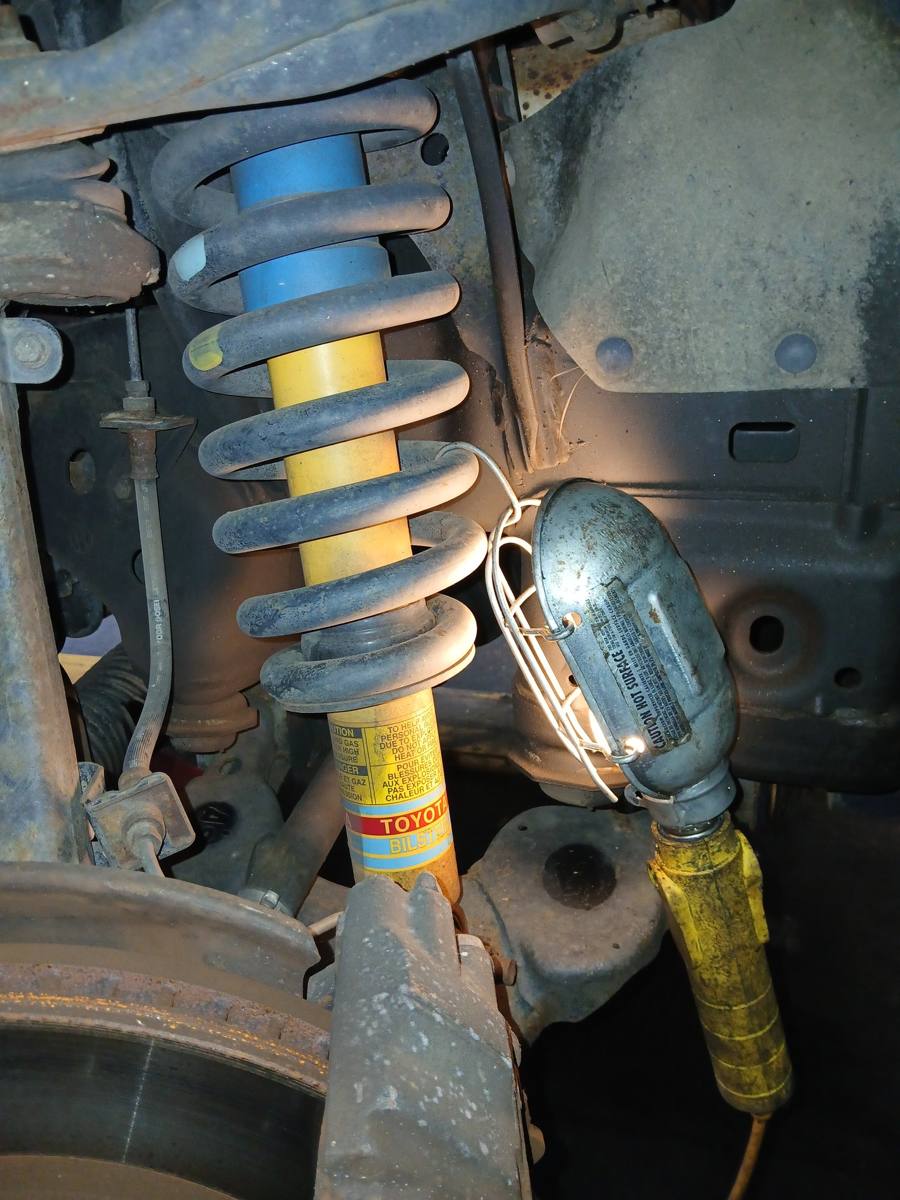
When a car or truck comes into our Pendleton shop needing struts, one of the first things I talk about with the owner is whether to replace just the strut or the complete strut assembly. Whenever it makes sense for the vehicle, I recommend the complete assembly. Here is why, in plain terms, for drivers around Pendleton, Clemson and Anderson.
What a strut assembly is
A strut is the shock absorber that also holds up the corner of the car. The complete assembly includes several parts that work together:
- The strut itself, which controls bounce
- The coil spring, which holds the weight of the vehicle
- The upper mount, which bolts the strut to the body
- The bearing, which lets the strut turn when you steer
- The dust boot and bump stop, which protect the strut and cushion hard hits
Replace only the strut, and the old spring, mount, bearing and boot go right back on. A complete assembly puts all-new parts in at once, so everything in that corner starts fresh together.
Your coil springs never get a break
Coil springs work all the time. Even when the car is parked in your driveway, they are holding up its full weight. Every bump, pothole, driveway and turn adds more load. Over years and many thousands of miles, the steel slowly loses some of its strength and the spring can sag. A sagging spring lowers ride height, changes alignment angles, and lets the strut bottom out more easily.
What variable spring rate means
Spring rate is how much force it takes to compress a spring a certain distance. Many modern vehicles use variable rate springs, which you can often spot because the coils are wound closer together in one section. The tighter coils compress first and soak up small bumps for a comfortable ride. As the load increases, in a hard turn, a quick stop or with a loaded bed, the spring gets firmer to keep the body under control.
That design only works if the spring still matches what the vehicle was engineered for. A tired spring loses that balance, so the ride gets soft where it should be firm. A new spring in a complete assembly brings that balance back.
They wear out so slowly you don't notice
Struts rarely fail all at once. They wear a little at a time over years, and you get used to the change as it happens. Many drivers are surprised by how different their car feels after new struts. Signs worth paying attention to:
- Bouncing or floating after dips in the road
- The nose diving when you brake
- Leaning or swaying in turns and lane changes
- Clunks, creaks or popping when you steer or go over bumps
- Cupped or uneven tire wear
- Fluid leaking from the strut body
Why struts are a safety part
Struts are not just about comfort. Their job is to keep your tires pressed firmly on the road, and that affects almost everything the car does:
- Stopping: worn struts let weight shift forward and tires bounce, which can make stopping distances longer, especially on rough or wet roads
- Tire contact: a tire that is bouncing has less grip on the road
- Handling and swerving: a sudden move to avoid something in the road is more stable when the body is under control
- Body roll: worn struts allow more lean in turns, and taller vehicles like trucks and SUVs feel that the most
- ABS and stability control: these systems can only work with the grip the tires have, so good contact helps them do their job
- Tire wear: bouncing tires wear unevenly, and new tires don't last as long
Worn struts don't make a car unsafe overnight. They slowly chip away at the margin you count on in an emergency, and replacing them brings that margin back.
How we handle it
We inspect the struts, mounts, springs and the rest of the front end, show you photos of what we find, and recommend replacing struts in pairs on the same axle so the car handles evenly side to side. After strut work we check that the alignment is in spec and road test the vehicle. You get an estimate before any work starts, and nothing gets done until you approve it.